
Mastering Mindfulness: Discovering Yoga Poses for Stress Relief
In today’s fast-paced world, stress has become a common companion for many of us. As our days fill up with tasks, deadlines, and responsibilities, finding moments of peace becomes more essential yet challenging. However, the ancient practice of yoga offers a pathway to tranquility that not only calms the mind but also rejuvenates the body. Mastering mindfulness and discovering yoga poses for stress relief can be your first step towards a more serene life.
Introduction to Mindful Yoga
Yoga, an age-old practice originating from India, encompasses physical, mental, and spiritual disciplines. At its core, yoga aims to cultivate harmony between the body and mind, promoting health and relaxation. Mindfulness, another key aspect of holistic wellness, involves paying full attention to the present moment with acceptance and non-judgment. When combined, mindfulness and yoga provide a powerful approach to alleviating stress and enhancing overall well-being.
Why Yoga for Stress Relief?
Yoga poses, or asanas, are designed to strengthen, stretch, and balance the body. Regular practice can help reduce physical tension, which often accumulates due to stress. Furthermore, the breathing techniques (pranayama) taught in yoga improve oxygenation and increase lung capacity, helping to trigger the body’s natural relaxation response. By integrating mindfulness with these physical practices, individuals can significantly diminish the psychological impacts of stress, fostering a calm and focused mind.
Top Yoga Poses for Stress Relief
-
Child’s Pose (Balasana) – This gentle pose is a go-to for relaxation. It helps soothe the nervous system and is perfect for grounding and centering oneself in times of overwhelming stress.
-
Cat-Cow Stretch (Marjaryasana-Bitilasana) – This flow between two poses enhances spinal flexibility and promotes better breathing, which is crucial for stress management. The rhythmic movement also aids in calming an anxious mind.
-
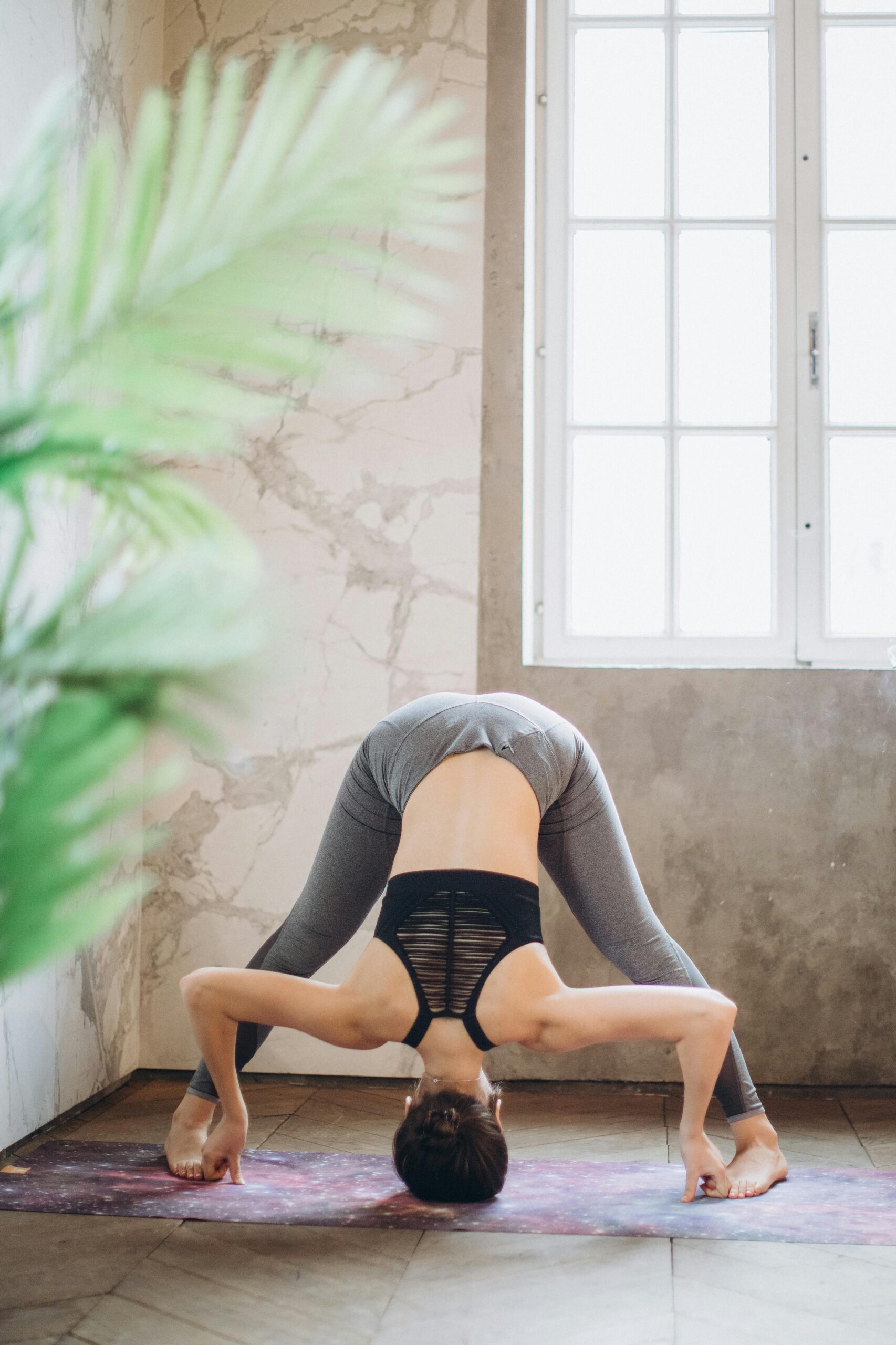
Forward Bend (Uttanasana) – Forward bends are excellent for relieving tension in the back, shoulders, and neck, and can help quiet busy thoughts. It’s particularly useful for those who sit for long periods during the day.
-
Legs-Up-the-Wall Pose (Viparita Karani) – Known for its ability to lower anxiety levels and reduce insomnia, this restorative pose involves minimal effort for maximum benefit, making it ideal for beginners.
-
Corpse Pose (Savasana) – Often used to conclude a yoga session, this pose is a powerful tool for deep relaxation. It teaches profound release and lets you reap the benefits of your yoga practice, embodying stillness and peace.
Incorporating Mindfulness into Your Yoga Practice
Mastering mindfulness and discovering yoga poses for stress relief also involves an intentional focus on the present. During your practice, concentrate on your breath and the sensations in your body. If your mind wanders, gently bring it back to your breathing or the alignment of your pose. This not only enhances the stress-relieving benefits of yoga but also trains your mind to stay engaged in the present moment, reducing stress outside of your yoga practice as well.
FAQs About Yoga and Mindfulness for Stress Relief
Q1: How often should I practice yoga for stress relief?
Practicing yoga 2-3 times a week can significantly help in reducing stress. However, even a few minutes daily can be beneficial, especially when focusing on mindfulness and deep breathing.
Q2: Are there yoga practices for beginners?
Absolutely! Many poses, including those mentioned, are suitable for beginners. Classes labeled as “gentle” or “for beginners” can offer a supportive start. Always communicate your experience level with your instructor.
Q3: Can mindfulness and yoga help with anxiety and depression?
Yes, studies have shown that consistent yoga practice, particularly when combined with mindfulness techniques, can alleviate symptoms of anxiety and depression by reducing stress levels and improving mood.
Q4: What should I do if a pose is too difficult?
Always listen to your body and modify poses as needed. Props like yoga blocks, cushions, and straps can help make poses more accessible. Learning from a certified yoga instructor is also recommended to ensure proper form and prevent injury.
Conclusion
Mastering mindfulness and discovering yoga poses for stress relief is more than just a fitness goal; it’s an investment in your overall health and well-being. As you continue on your journey, remember that each pose has the potential to teach something unique about balance, resilience, and tranquility. Whether you’re a seasoned yogi or a curious newcomer, integrating these practices into your life can open up new avenues for managing stress and finding peace amidst the chaos. Namaste!