
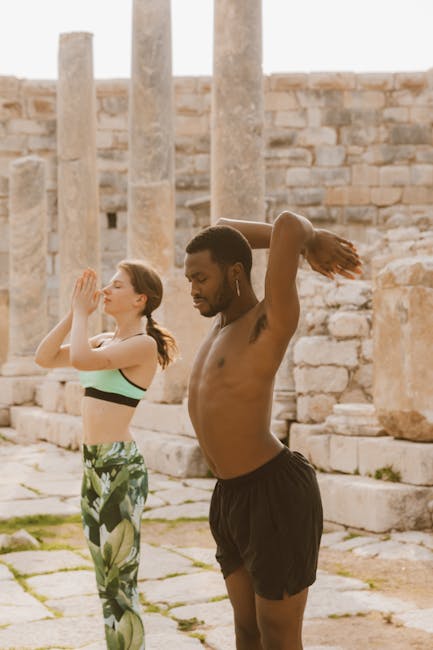
Unlock Deep Relaxation: Top Restorative Yoga Poses to Try
In today’s fast-paced world, unlocking deep relaxation is more than a luxury—it’s a necessity. Amidst busy schedules and constant stimuli, restorative yoga emerges as a beacon of tranquility and wellness. Offering a gentle yet profound way to relax and rejuvenate, the practice of restorative yoga involves various poses that promote physical, mental, and emotional relaxation. If you’re looking to incorporate peace and calm into your routine, exploring the top restorative yoga poses to try may just be your perfect solution.
Why Choose Restorative Yoga?
Restorative yoga focuses on slowing down and opening the body through passive stretching. If the idea of doing a vigorous workout seems overwhelming or counterproductive to relaxation, restorative yoga could be your ideal fit. Unlike more intense yoga practices, restorative yoga requires minimal physical exertion. It allows your body to relax deeply by holding poses for longer periods, typically with the support of props like yoga blocks, bolsters, and blankets. This practice not only helps to relieve the effects of chronic stress but also aids in recovery from illness and injury, and promotes a deeper sense of calm.
Dive into Relaxation: Top Restorative Yoga Poses to Try
Here are some of the most effective restorative yoga poses that you can add to your routine to unlock deep relaxation:
-
Child’s Pose (Balasana)
One of the quintessential restorative yoga poses, Child’s Pose helps soothe the nervous system and relieve stress and tension in the body. To do this, sit on your heels, lay your torso down on your thighs, and stretch your arms forward or by your sides. This pose is nurturing, calming, and a great way to connect with your breath. -
Legs-Up-the-Wall Pose (Viparita Karani)
This pose is excellent for improving circulation and relaxing the mind. Sit close to a wall and gently lie on your back, extending your legs up against the wall. You can use a bolster or a blanket under your hips for added support. This inversion is particularly beneficial after a long day of standing or sitting. -
Supported Bridge Pose (Setu Bandhasana)
Elevate your relaxation by placing a yoga block or bolster under your sacrum in bridge pose. Lie flat on your back, bend your knees, and lift your hips, placing the prop directly under your lower back. This gentle inversion helps reduce anxiety and stimulates a tired mind and an achy back. -
Supported Bound Angle Pose (Supta Baddha Konasana)
This pose is a great way to release tension in the inner thighs and groin. While seated, bring the soles of your feet together, open your knees wide, and recline your body back onto a bolster or a set of stacked blankets. Let gravity help you open up and unwind. -
Corpse Pose (Savasana) with a blanket
Often the final pose in a restorative yoga sequence, Corpse Pose is crucial for full-body relaxation. Lie down flat on your back, let your feet fall open, and your arms rest by your sides, palms facing upward. For ultimate comfort and warmth, cover yourself with a blanket. Spend at least 5-10 minutes in Savasana to allow your body to absorb the benefits of your practice.
FAQ: Unlocking Deep Relaxation Through Restorative Yoga
Q1: How often should I practice restorative yoga to see benefits?
A: Integrating restorative yoga into your routine once a week can provide significant benefits. However, practicing more frequently, such as 2-3 times a week, can enhance its restorative effects—helping you manage stress and maintain a more balanced well-being.
Q2: Can restorative yoga help with sleep?
A: Absolutely! The calming movements and deep breathing involved in restorative yoga are excellent for preparing the body and mind for sleep, making it a wonderful practice to incorporate into your nighttime routine.
Q3: Do I need any special equipment?
A: While props are beneficial, they are not mandatory. Common household items like pillows, blankets, and books can often serve as suitable substitutes for yoga bolsters, blocks, and straps.
Conclusion: Embrace the Art of Relaxation
Unlocking deep relaxation through restorative yoga poses is a gentle yet powerful way to reduce stress, improve mental clarity, and replenish your energy. Incorporating movements like Child’s Pose, Legs-Up-the-Wall Pose, and Supported Bridge Pose into your lifestyle can make a substantial difference in your overall health and well-being. The beauty of restorative yoga lies in its accessibility. You don’t need advanced flexibility or extensive yoga knowledge; you just need the desire to relax and rejuvenate. So, why not try these top restorative yoga poses and embrace the art of relaxation? Your mind, body, and spirit will thank you.
Remember, the journey to relaxation and inner peace is personal and ongoing. With restorative yoga, you have the tools at your fingertips to unlock deep relaxation—anytime and anywhere.