
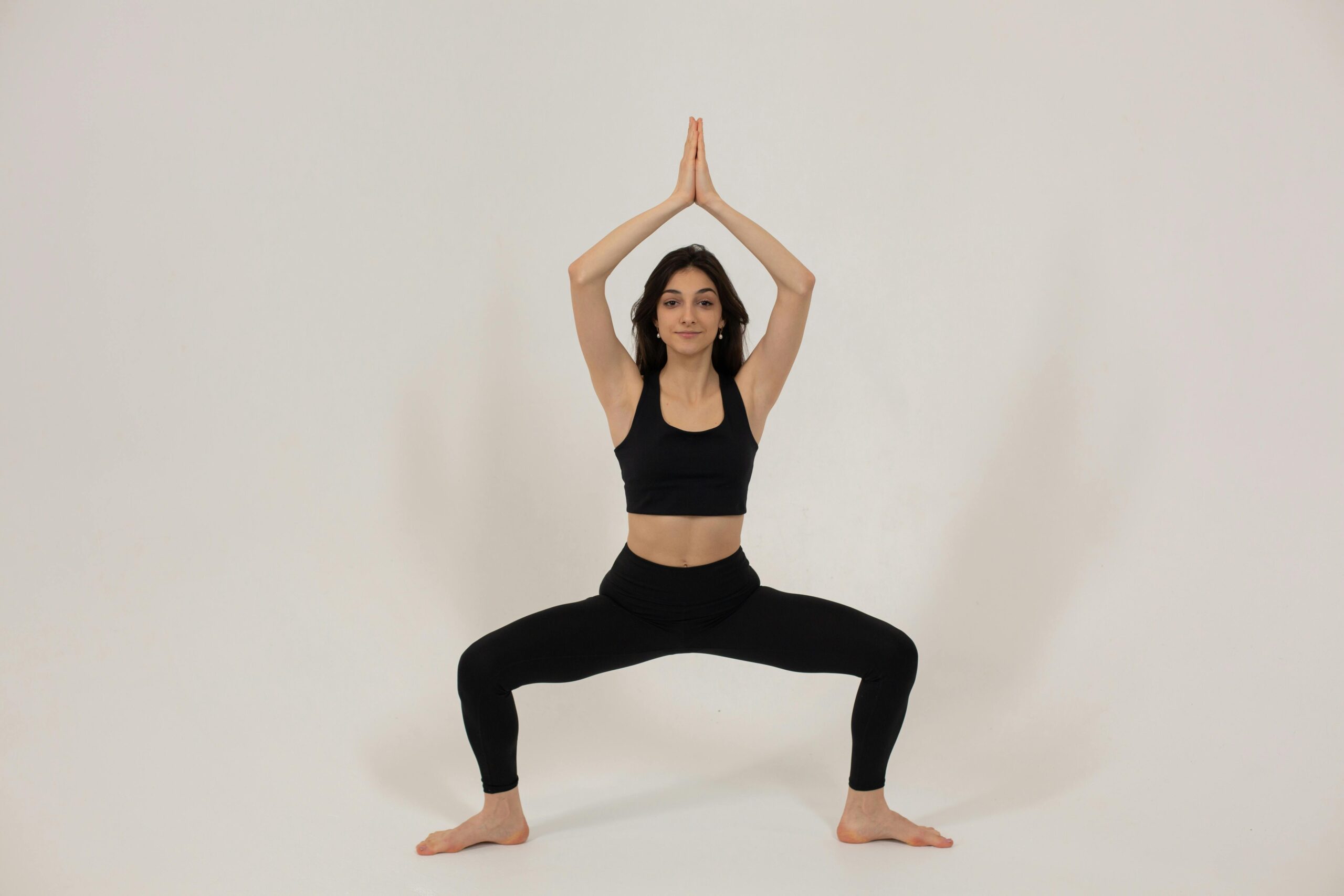
Master Advanced Yoga Poses: A Step-by-Step Guide for Deepening Your Practice
Are you looking to challenge yourself and elevate your yoga practice to new heights? Mastering advanced yoga poses not only pushes your physical boundaries but also deepens your mental and spiritual journey. In this comprehensive guide, we’ll explore some of the techniques and tips that can help you advance your skills and confidently approach more complex poses. Whether you’re a seasoned practitioner or an enthusiastic beginner eager to progress, this step-by-step approach to mastering advanced yoga poses will help you grow and deepen your practice.
Introduction to Advanced Yoga Practice
Yoga is a holistic discipline combining physical postures, breath work, and meditation. As practitioners progress in their yoga journey, they often seek to master advanced poses that challenge their flexibility, strength, balance, and focus. This deepening of practice not only enhances physical health but also promotes emotional and spiritual well-being.
Why Master Advanced Yoga Poses?
Mastering advanced yoga poses can represent personal landmarks in your journey of self-discovery and improvement. It develops focus, enhances discipline, encourages self-awareness, and helps in achieving a meditative state through intense physical activity. Deepening your practice with advanced poses also offers profound insights into your body’s capabilities and limitations, fostering a greater mind-body connection.
Prepare Your Foundation
Before diving into advanced poses, it’s crucial to have a solid foundational practice. Focus on building strength, flexibility, and balance through more moderate poses. Techniques like Sun Salutations, standing poses, basic backbends, and straightforward inversions contribute to developing the necessary strength and flexibility required for more challenging positions.
Step-by-Step Guide to Master Advanced Yoga Poses
1. Understand Each Pose
Begin by understanding the demands and specifics of each pose you wish to achieve. Study the pose, watch tutorials, or attend classes to see how it’s performed. Knowledge about the pose’s alignment, proper form, and common mistakes will provide a clearer roadmap towards mastering it.
2. Slow Progression
Rome wasn’t built in a day, and neither is the perfect Headstand or Scorpion Pose. Break down the pose into smaller, more manageable components that you can practice separately. For example, if you’re working towards Handstand, start with crow pose and gradually practice kicking up against a wall before attempting freestanding Handstands.
3. Use Props for Support
Props such as blocks, straps, and bolsters can provide essential support as you explore advanced poses. They help in maintaining alignment, easing into poses without strain, and preventing injuries. As you gain more confidence and ability, you can gradually phase out their usage.
4. Prioritize Safety
As you challenge yourself, it’s vital to listen to your body and respect its limits. Advanced poses can be demanding, and pushing too hard can lead to injuries. Include sufficient warm-up exercises and never rush into a pose without proper preparation.
5. Consistent Practice
Consistency is key in yoga. Practice regularly, but also wisely. Allow time for recovery if your body feels overworked. Regular practice solidifies muscle memory, improves strength and flexibility, and helps in gradually mastering advanced poses.
6. Seek Professional Guidance
Attend advanced workshops or classes taught by experienced yoga instructors. Professional guidance is invaluable as it provides personalized feedback and corrections that are crucial when working on advanced techniques.
FAQs About Mastering Advanced Yoga Poses
Q1: How long does it take to master an advanced yoga pose?
A1: The time it takes can vary widely depending on the complexity of the pose and personal factors like fitness level, consistency of practice, flexibility, and strength. It might take anywhere from a few weeks to several months, or even years for particularly challenging poses.
Q2: How often should I practice advanced yoga poses?
A2: Aiming for 3-5 sessions per week allows sufficient practice time while offering rest days for muscle recovery and rejuvenation. Quality and mindfulness in practice are more crucial than frequency.
Q3: Can beginners work on advanced poses?
A3: Beginners should focus on building a strong foundation first but can start incorporating elements of advanced poses under expert supervision as part of their progression.
Q4: What are some common advanced yoga poses to work towards?
A4: Some sought-after advanced poses include Handstand (Adho Mukha Vrksasana), Forearm Stand (Pincha Mayurasana), King Pigeon Pose (Raja Kapotasana), and Lotus Pose (Padmasana).
Conclusion
Mastering advanced yoga poses is a rewarding and enriching experience that enhances both physical and spiritual aspects of your yoga practice. By incorporating a mindful, step-by-step approach, utilizing the right tools, and seeking the guidance of experienced practitioners, you can safely and effectively deepen your practice. So, why wait? Embark on this transformative journey today, and bring new dimensions of strength, flexibility, and balance into your life through the art of advanced yoga poses.