
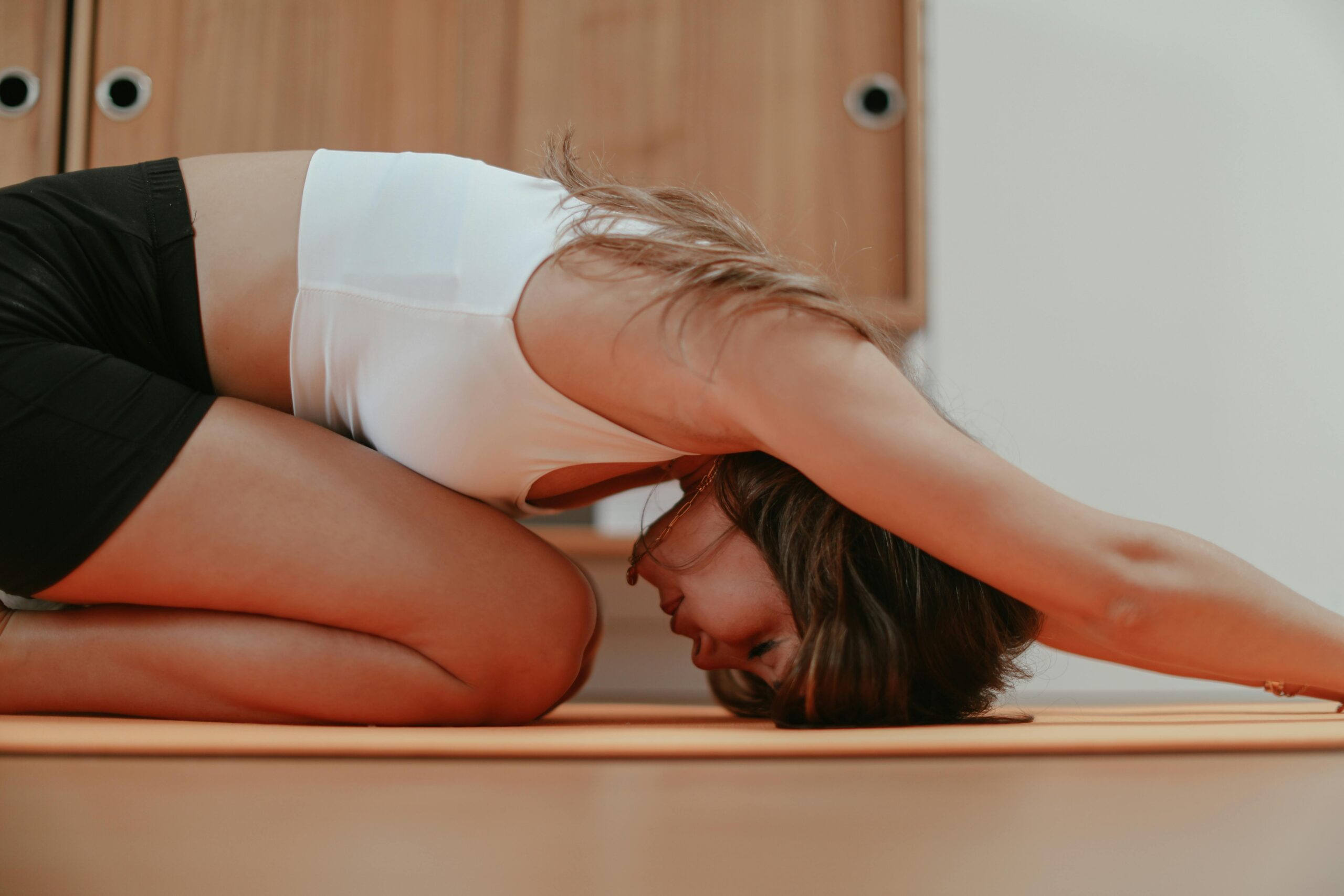
Unlock Your Stretch: Discover the Best Yoga Poses for Flexibility
Are you looking to enhance your flexibility and overall well-being? Yoga is a fantastic practice that not only strengthens your body but also boosts your flexibility and mental health. In this comprehensive guide, we will explore some of the best yoga poses for flexibility. Whether you’re a beginner or a seasoned yogi, adding these poses to your routine can help you “unlock your stretch” and achieve your most limber self yet.
Introduction to Flexibility and Yoga
Flexibility is an essential component of physical fitness. It allows for greater freedom of movement, reduces the risk of injury, and can even alleviate pain. Yoga, known for its stretching exercises, is one of the most effective ways to enhance flexibility. Each yoga pose targets different areas of the body, helping to loosen tight muscles and increase range of motion.
The Best Yoga Poses for Enhancing Flexibility
-
Downward-Facing Dog (Adho Mukha Svanasana)
A staple in many yoga practices, Downward-Facing Dog is an all-encompassing pose that stretches the hamstrings, calves, and spine, while strengthening the arms and legs. It’s a great pose to start your journey in unlocking your stretch. -
Cobra Pose (Bhujangasana)
Ideal for those looking to improve the flexibility of their back, Cobra Pose works the upper and middle back muscles. This pose also helps to open up the chest and shoulders, perfect for counteracting the effects of long hours spent at a desk. -
Pigeon Pose (Eka Pada Rajakapotasana)
If you’re looking to release tension in your hips and improve flexibility in the hip flexors and lower back, Pigeon Pose is your go-to. It’s excellent for athletes who require lateral movement and also beneficial for those stuck in a sedentary lifestyle. -
Standing Forward Bend (Uttanasana)
This pose is a superb option for stretching the hamstrings, calves, and hips. Standing Forward Bend also helps calm the brain and relieve stress, proving that increasing flexibility can also support mental well-being. -
Seated Forward Bend (Paschimottanasana)
This seated pose deeply stretches the spine, shoulders, and hamstrings. It helps calm the mind and relieve stress while encouraging a deep stretch throughout the backside of the body. -
Cat-Cow Stretch (Chakravakasana)
A gentle, flowing pose that soothes and stretches the spine. The Cat-Cow Stretch is useful for increasing spinal flexibility and is a good warm-up for more intense yoga sessions. -
Butterfly Pose (Baddha Konasana)
Often underestimated, this seated pose can significantly increase flexibility in the hips and groin area. It also helps improve the functioning of the abdominal organs.
Practical Tips for Improving Flexibility Through Yoga
-
Consistency is Key: Practicing regularly is crucial in yoga. Even a short daily session can make a significant difference in your flexibility over time.
-
Warm-Up Properly: Starting with gentle stretches or a quick cardio session can warm up the muscles, making them more pliable and susceptible to deeper stretches.
-
Focus on Breathing: Deep, conscious breathing helps to relax the body, allowing you to stretch further with less discomfort.
-
Listen to Your Body: Pushing too hard can lead to injuries. It’s important to respect your body’s limits and use props or modify poses as needed.
-
Stay Hydrated: Keeping the body hydrated helps maintain the health of the muscles and joints, facilitating easier movement and flexibility.
FAQs on Yoga and Flexibility
Q1: How often should I practice yoga to improve flexibility?
A: Ideally, practicing yoga 3 to 5 times a week is beneficial for significantly enhancing flexibility. However, even one or two sessions a week can make a difference.
Q2: Can people of all ages perform these yoga poses?
A: Yes, people of all ages can perform these yoga poses. However, the extent to which the poses are performed might vary. Always consult with a healthcare provider before beginning any new exercise regimen.
Q3: Are there any risks associated with yoga for flexibility?
A: While yoga is generally safe, overstretching or improper alignment can lead to injuries. It’s advisable to learn poses under the guidance of a qualified instructor and to listen to your body’s needs and limitations.
Conclusion
To unlock your stretch and tap into the best yoga poses for flexibility, incorporating these key poses into your routine can be transformative. Whether you’re a beginner or looking to deepen your practice, yoga offers numerous benefits that extend beyond physical flexibility, helping to enhance your mental clarity and overall life quality. Embrace the journey of becoming more flexible, not just in body but also in mind and spirit. Remember, the path to flexibility is a personal one, so tailor your practice to suit your needs and enjoy the process of unfolding.