
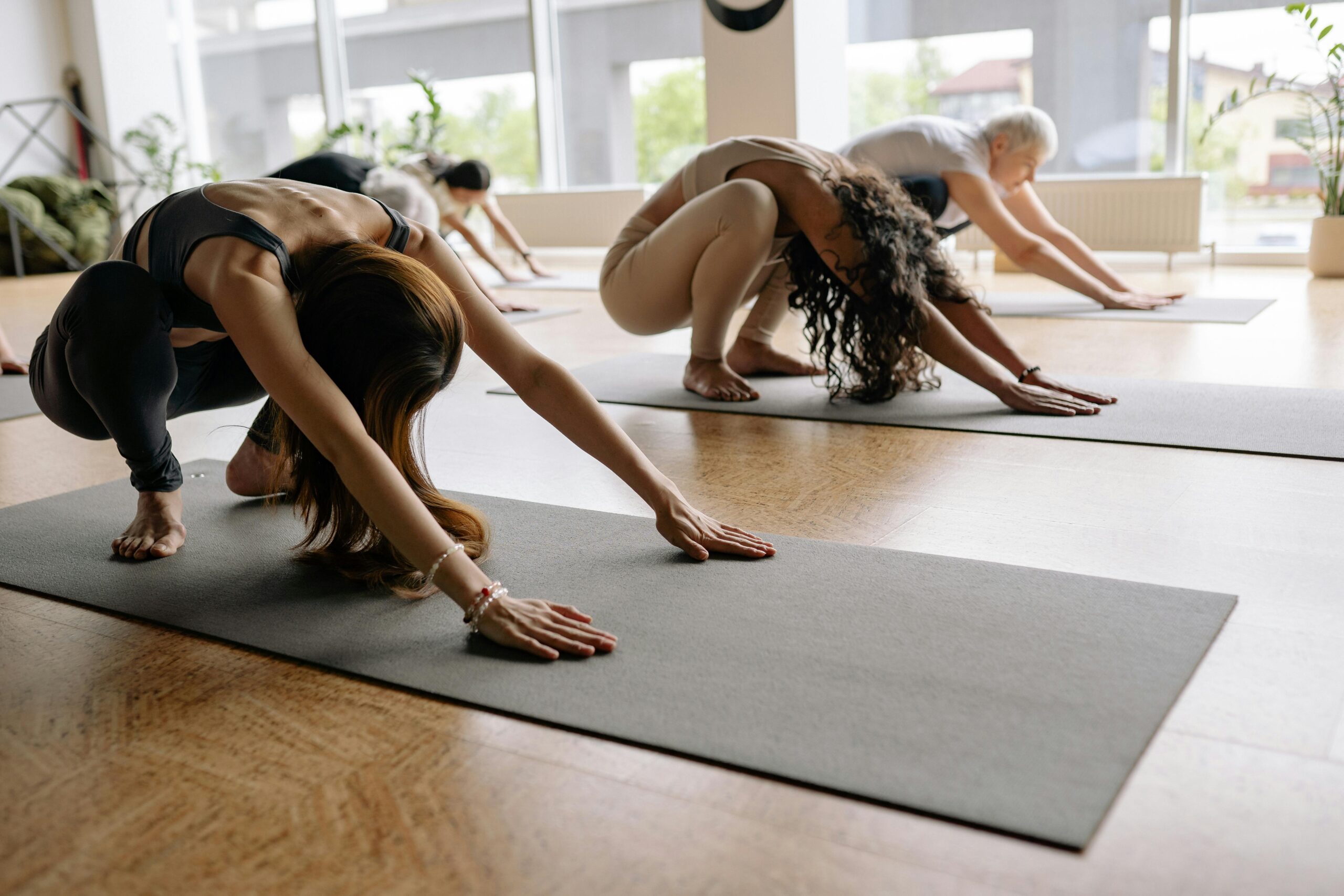
Unlock Your Potential: Exploring Yoga for Beginners with No Flexibility
Introduction:
If you’ve ever watched a yoga class or scrolled through myriad pictures of people effortlessly holding poses, you may have thought, “That’s not for me; I’m just not that flexible.” The truth is, yoga isn’t exclusively for the flexible. Rather, it’s a gateway to gaining flexibility, among other benefits. Today, let’s dive into how yoga can be an incredible tool to unlock your potential, especially for beginners with no flexibility.
Yoga, an ancient practice with roots stretching back over 5,000 years in India, is a holistic approach to wellbeing, harmonizing the mind, body, and spirit. For those just starting their journey with no flexibility, yoga offers a gentle yet effective pathway to improving not only flexibility but also strength, balance, and stress levels. This blog post is tailored to help you, as a beginner, explore yoga, ensuring it becomes a valuable part of your routine.
Why Choose Yoga?
When it comes to starting yoga as a beginner with no flexibility, the primary appeal lies in yoga’s adaptability. Each pose has variations and can be modified to accommodate your starting point, making it accessible for everyone. Moreover, practicing yoga consistently helps enhance flexibility, manage stress, and improve physical health, much needed in today’s fast-paced world.
How to Start Yoga If You’re Not Flexible:
-
Understanding the Basics: Before jumping into any practice, it’s useful to know a few fundamental yoga styles. Hatha Yoga is great for beginners due to its slower pace, focusing on basic postures that aid in muscle strength and flexibility. Vinyasa Yoga, though a bit faster, can also be modified for beginners and puts more emphasis on the flow from one pose to another.
-
Choosing the Right Class: Start with beginner-friendly classes that prioritize basic postures and alignment. Look for classes titled “Yoga for Beginners,” “Gentle Yoga,” or “Intro to Yoga.” These classes typically move at a slower pace, allowing you to find comfort in each posture and understand the movements of your body.
-
Equip Yourself: Investing in a yoga mat, comfortable clothing, and perhaps a yoga block or a strap can help enhance your practice. These tools aid in providing stability and alignment and make certain poses more accessible.
-
Listening to Your Body: This cannot be overstated – always listen to your body! It’s okay to push yourself a little, but if you feel pain or extreme discomfort, take a step back. Use modifications and props, and take breaks when needed.
Practical Tips for Unlocking Your Potential in Yoga:
- Consistency is Key: Like any new skill, regular practice is critical. Try to practice yoga several times a week. Over time, you will notice improvements in your flexibility and overall ease in performing various postures.
- Focus on Breathing: Yoga isn’t just physical; it’s also about breathing. Learning to breathe properly through the poses can help significantly in relaxing and extending your body further with each session.
- Progressive Learning: Start with simple poses like the mountain pose, tree pose, or cat-cow stretches, and progressively advance to more complex postures. This step-by-step approach will help build the required strength and flexibility safely.
FAQs about Exploring Yoga for Beginners with No Flexibility:
Q1: How often should a beginner practice yoga?
A1: Aim for 2-3 times a week to start. This frequency is enough to see progression but also allows your body time to adapt and recover.
Q2: Are there risks if I’m not flexible and start yoga?
A2: Generally, yoga is safe for everyone. Ensure you start with beginner classes, and let your instructor know about any concerns. Never push into pain, and focus on your alignment.
Q3: How quickly will I gain flexibility?
A3: Flexibility improvements will vary. Some might notice changes within a few weeks, while for others, it might take longer. The key is consistency and patience.
Q4: Can yoga help with stress?
A4: Absolutely! Yoga is renowned for its mental and emotional benefits. The combination of movement, breathing, and meditation can significantly relieve stress and enhance mood.
Conclusion:
Unlocking your potential with yoga, especially for beginners with no flexibility, is not only about transforming your body but also about fostering a deeper connection with your inner self. It’s about embracing where you are at this moment and gently pushing the boundaries of what you thought was possible. As you explore yoga – taking those initial, somewhat awkward steps into your practice, remember that each stretch, each breath, and each moment on the mat is a step towards a healthier, more flexible you. Embrace the journey of yoga for beginners with no flexibility, and watch how it transforms your life, one pose at a time!
In exploring the world of yoga, you’re not just practicing a series of postures; you’re embarking on a transformative journey that promises not only improved flexibility but also a balanced, enriched life. Dive in, stay consistent, and enjoy the profound benefits that await.
