
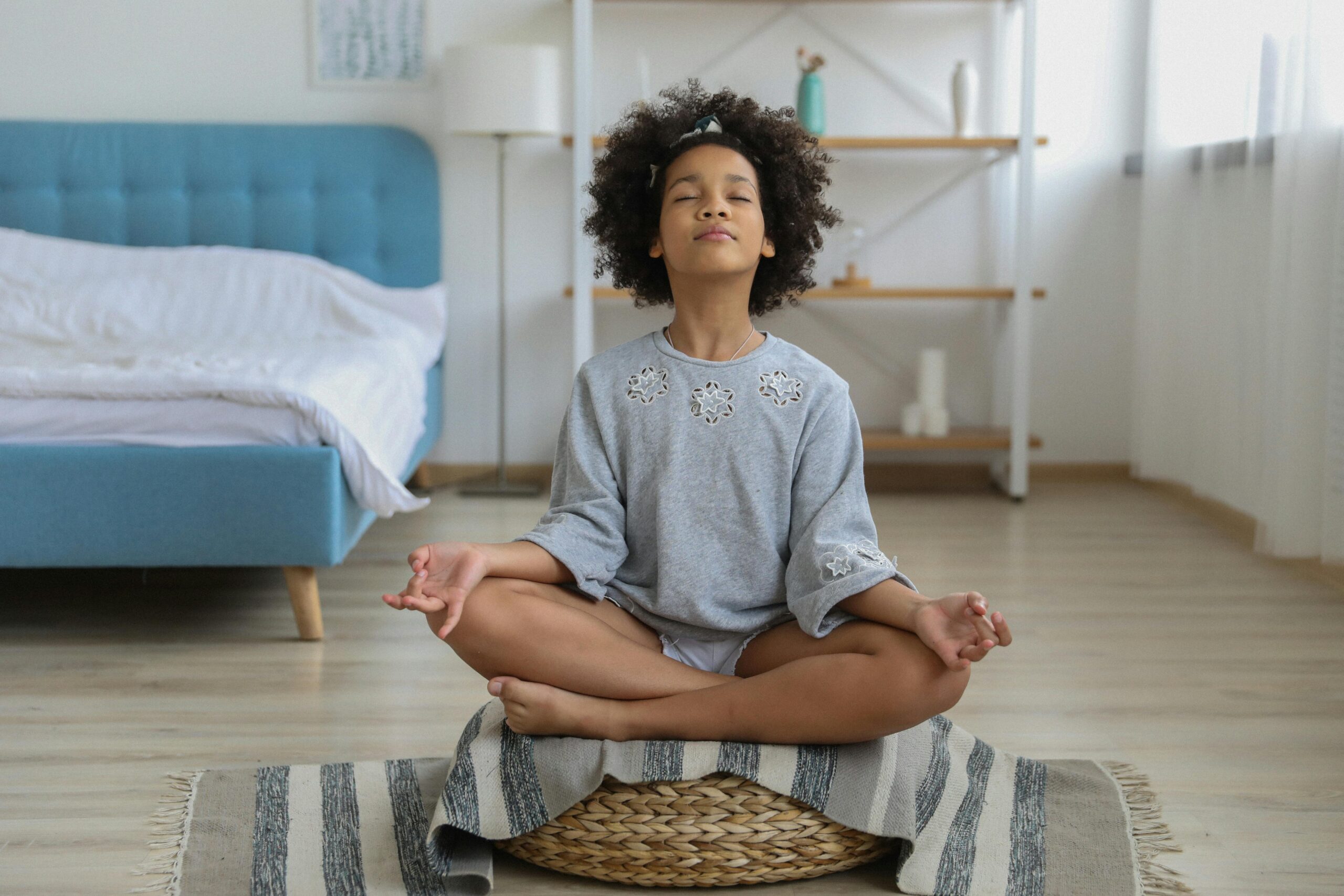
Unlock Serenity and Focus: Exploring Yoga Breathing Meditation Techniques
In today’s fast-paced world, finding tranquility and sustaining focus can often seem elusive. However, ancient practices such as yoga breathing meditation techniques offer a pathway to calm the mind and sharpen concentration. If you’ve ever felt overwhelmed by stress or distracted by an incessant flow of thoughts, unlocking serenity and focus through yoga breathing meditation techniques can be a transformative experience.
Introduction to Yoga Breathing Meditation Techniques
Yoga breathing meditation, also known as pranayama, is an integral component of yoga that focuses on controlling the breath. Pranayama translates to “life force extension” and utilizes breathing techniques to influence the flow of prana (vital energy) in the body. Harnessing the power of your breath can help regulate the mind’s activity and promote a greater sense of inner peace and concentration.
The Basics of Pranayama
There are several types of yoga breathing techniques that can be employed to unlock serenity and focus. Each of these techniques can be adapted to individual needs and practiced with varying levels of intensity. Here are a few foundational practices to get you started:
-
Anulom Vilom (Alternate Nostril Breathing): This technique involves inhaling through one nostril, holding the breath, and then exhaling through the other nostril. It is believed to balance the body’s channels and calm the mind.
-
Kapalabhati (Skull Shining Breath): Known for its energizing properties, Kapalabhati is a series of short, explosive exhales followed by natural inhales. This technique is said to cleanse the cranial sinuses, stimulate the brain, and enhance focus.
-
Ujjayi (Ocean Breath): Characterized by a soft, whispering sound during inhalation and exhalation, this technique is often used to maintain focus and rhythm during yoga practices. It helps quiet the mind and increase oxygen intake.
-
Bhramari (Bee Breath): Involving the production of a high-pitched humming sound during exhalation, this technique is excellent for soothing nerves and reducing stress and anxiety.
Implementing Yoga Breathing Meditation Techniques into Your Routine
The beauty of yoga breathing meditation techniques lies in their accessibility and simplicity. They can be practiced anywhere—at home, in the office, or outdoors in a peaceful setting.
-
Start Small: Begin with just five minutes a day, gradually increasing the duration as you become more comfortable with the techniques.
-
Consistency is Key: Regular practice improves the ability to center the mind and calm the body, enhancing overall productivity and well-being.
-
Create a Conducive Environment: While not mandatory, a quiet spot can enhance your focus and the effectiveness of your practice. Consider elements that can help create a soothing ambiance, such as dim lighting, comfortable seating, and perhaps a hint of calming scent like lavender.
-
Combine with Other Forms of Meditation: While exploring yoga breathing meditation techniques, integrate them with other meditation forms for a well-rounded practice. Mindfulness meditation or guided imagery can complement your breathing practice, enhancing the benefits of both.
FAQs: Unlock Serenity and Focus
Q: How long should I practice breathing techniques for effective results?
A: Even a short practice of five to ten minutes can be beneficial. However, consistency is more crucial than duration. Daily practice can significantly enhance the impact on your focus and stress levels.
Q: Can these techniques help with anxiety?
A: Absolutely! Regularly practicing pranayama can help lower stress hormones in the body, ease anxiety, and promote a relaxed state of mind.
Q: Are there any health precautions to consider?
A: While yoga breathing exercises are generally safe, those with respiratory conditions or pregnant women should consult with a healthcare provider before beginning a new practice. Always listen to your body and modify techniques as needed.
Q: Do I need to practice yoga to try these breathing techniques?
A: No, yoga breathing meditation techniques are standalone practices and do not require you to be a yoga practitioner. They are simple, adaptable, and suited for individuals at any or no experience level with yoga.
Conclusion
Unlock serenity and focus by introducing yoga breathing meditation techniques into your daily routine. This ancient practice is not just about physical health but also about refining and calming the mind. As you explore different breathing techniques, observe the subtle yet profound shifts in your mental clarity and emotional balance. Start your journey toward a more peaceful and focused life today!
By incorporating these transformative practices, you tap into a wellspring of peace that nurtures both mind and body, paving the way for enhanced mental resilience and a more joyous, centered presence in all areas of life.
