
Unlock Restful Nights: How Yoga Meditation Enhances Sleep Quality
In today’s fast-paced world, the quest for a peaceful night’s sleep can feel like an elusive dream. However, integrating yoga meditation into your evening routine could be the key to unlocking restful nights. So, how exactly does this ancient practice enhance sleep quality? Let’s delve deep into the serene world of yoga meditation and discover its benefits for our sleep.
Introduction to Yoga Meditation
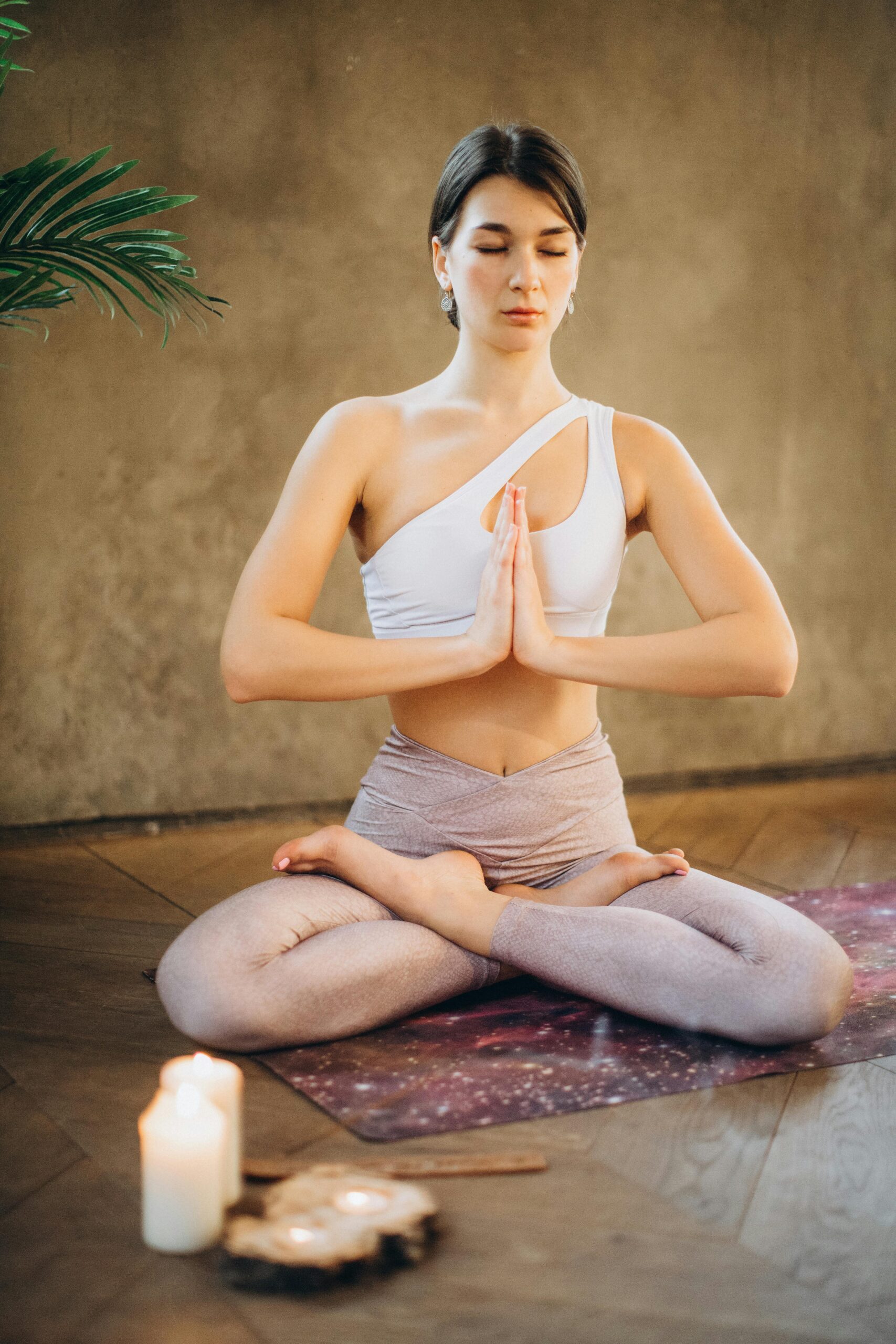
Yoga meditation combines the physical poses of yoga with mindful meditation, focusing on breathing and awareness to align the body and mind. As stress and anxiety are common culprits behind sleep disturbances, yoga meditation serves as a powerful tool to mitigate these issues, paving the way for a restorative slumber.
The Science Behind Yoga Meditation and Better Sleep
Yoga meditation influences sleep by activating the parasympathetic nervous system—the part of our autonomic nervous system responsible for ‘rest and digest’ activities. This activation induces a state of relaxation, which is critical for initiating sleep. Additionally, yoga meditation helps balance the body’s stress hormones, like cortisol, ensuring that when it’s time to sleep, our bodies are ready to wind down and embrace rest.
FAQs about Yoga Meditation for Enhanced Sleep Quality
Q1: What are the best yoga poses for improving sleep?
A1: Gentle, restorative poses such as Balasana (Child’s Pose), Supta Baddha Konasana (Reclining Bound Angle Pose), and Viparita Karani (Legs-Up-the-Wall Pose) are excellent for calming the mind and preparing the body for sleep.
Q2: How long should I practice yoga meditation to improve sleep?
A2: Even 10-15 minutes of yoga meditation can be beneficial. The key is regularity, so try to incorporate it into your daily bedtime routine for the best results.
Q3: Are there specific meditation techniques that are more effective for sleep?
A3: Yes, mindfulness meditation, focusing on deep, rhythmic breathing, and guided imagery meditations can be particularly effective in calming the mind and preparing it for sleep.
Q4: Can yoga meditation help with insomnia?
A4: Absolutely. Regular yoga meditation reduces stress, anxiety, and physiological arousal, all common contributors to insomnia.
Step-by-Step Guide to Unlock Restful Nights Through Yoga Meditation
-
Create a Conducive Environment: Begin by setting a calm atmosphere in your bedroom. Dim the lights, play some soft, ambient music, and ensure the room temperature is comfortable.
-
Start with Gentle Yoga Poses: Engage in a few, non-strenuous yoga poses to loosen your muscles. Focus on your breath and the relaxation of your body parts as you move through the poses.
-
Seated Meditation or Supine Meditation: After the gentle poses, transition into a seated or lying down position for meditation. Close your eyes and focus on deep, slow breathing. With each exhale, imagine releasing the day’s stress and tension.
-
Mindfulness or Guided Imagery: You can choose to focus inward on your breath or use a guided imagery technique, picturing a peaceful scene like a quiet beach or a starry night. The key is to redirect your mind away from stressful or anxious thoughts and allow it to settle into a state of deep relaxation.
-
Conclude with Gratitude or Positive Affirmations: End your session by mentally noting or softly speaking a few things you are grateful for. This promotes positive thoughts and emotions, making it easier to fall asleep.
Conclusion
Unlocking restful nights through yoga meditation is not just a theory but a practice embraced by many around the world. Incorporating this soothing routine not only enhances sleep quality but also improves overall health and well-being. Remember, like any other form of exercise or meditation, the secret lies in consistency. A nighttime routine centered around yoga and meditation might just be your answer to those long, sleepless nights. Why not give it a try and see how it transforms your sleep and your ability to tackle each new day with renewed energy and peace?
As the popularity of meditation and yoga continues to grow, so does the evidence supporting its numerous health benefits—including better sleep. Each evening, as you roll out your yoga mat, consider it an investment in your night’s rest. Before long, you’ll likely find yourself enjoying deeper, more restorative sleep, proving that the ancient art of yoga and meditation holds the key to unlocking restful nights.