
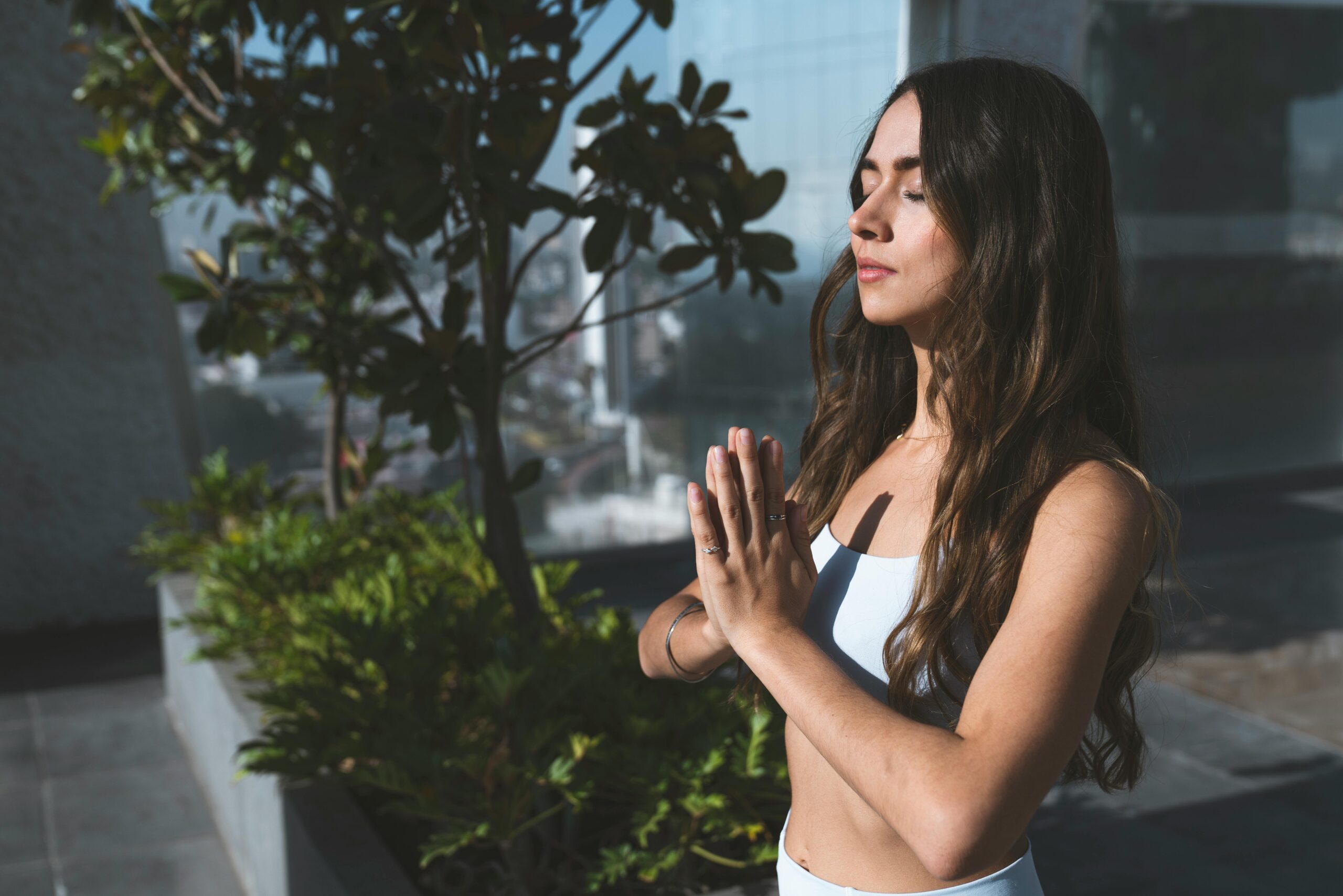
Unlock Deep Relaxation: Your Ultimate Yoga Nidra Meditation Guide
Introduction:
In a world rife with relentless stress, ever-burgeoning daily responsibilities, and incessant digital distractions, finding true relaxation is more crucial yet often more elusive than ever. Enter Yoga Nidra, an ancient but lesser-known meditative practice for deep relaxation and healing. “Unlock Deep Relaxation: Your Ultimate Yoga Nidra Meditation Guide” aims to demystify this profound technique and show you how to integrate it into your daily life to enjoy its manifold benefits.
What is Yoga Nidra?
Yoga Nidra, often referred to as yogic sleep, is a state of consciousness between waking and sleeping, similar to the “going-to-sleep” stage. It is a guided meditation that systematically induces complete physical, mental, and emotional relaxation. Practitioners typically lie down, listen to a guided meditation, and slowly sink into a deeply relaxed state, maintaining a trace of awareness. This practice has roots in ancient Indian traditions and has been modernized to cater to our current lifestyle requirements.
How Does Yoga Nidra Work?
The practice of Yoga Nidra takes you through the Pancha Maya Kosha (five layers of self), penetrating not just the physical body but also the energy, mental, and emotional layers. This comprehensive and gradual relaxation approach effectively releases stress, boosts your immune system, and enables deeper learning and memory functions.
Steps to Perform Yoga Nidra
- Preparation: Find a quiet, comfortable place where you can lie flat on your back without any disturbances. Use a yoga mat and perhaps a pillow under your head or knees for extra comfort.
- Sankalpa (Intention): Before beginning the session, set a personal intention or affirmation. This could be anything from healing a physical injury to cultivating a positive attitude.
- Body Conscious Relaxation: The instructor will guide you through a systematic relaxation technique where attention is brought to each body part. This stage helps in releasing pent-up stress through every muscle and fiber.
- Breath Awareness: By becoming aware of your breathing, you enhance your ability to relax and dive deeper into the meditation, promoting a further state of tranquility.
- Emotional Integration: At this stage, you are encouraged to observe your emotions without getting engaged, helping in emotional healing and resiliency.
- Visualization: This part involves visual cues from the guide that can vary greatly, often drawing upon natural imagery and personal memories. The purpose is to deeper the state of relaxation with pleasant and calming images.
- Closing: Slowly, awareness is brought back to the body and the external environment. The meditator is guided to slowly awaken from the relaxed state, often by wiggling fingers and toes, taking deep breaths, and gently opening the eyes.
Benefits of Yoga Nidra
- Reduces Stress and Anxiety: Yoga Nidra is an effective practice for detaching from thoughts and worries that fuel stress and anxiety.
- Improves Sleep: Regular practice harmonizes the natural sleep cycle, making it a potent remedy for insomnia and other sleep disorders.
- Enhances Focus and Concentration: The restful awareness achieved through Yoga Nidra helps improve focus and mindfulness in everyday activities.
- Emotional Healing: By making space for processing and integrating emotions, Yoga Nidra fosters greater emotional resilience.
FAQs About Yoga Nidra Meditation
Q: How often should I practice Yoga Nidra?
A: While even a single session can be beneficial, regular practice (daily or several times a week) is recommended for deeper benefits.
Q: Is Yoga Nidra suitable for beginners?
A: Absolutely! Yoga Nidra is accessible to everyone, regardless of their experience with yoga or meditation.
Q: How long is a typical Yoga Nidra session?
A: Sessions can vary but typically last between 30 minutes to an hour.
Q: Do I need any special equipment for Yoga Nidra?
A: No special equipment is needed. Comfortable clothing and a quiet space are sufficient.
Conclusion:
Exploring “Unlock Deep Relaxation: Your Ultimate Yoga Nidra Meditation Guide” can significantly enhance your well-being by providing a reliable method to alleviate stress, improve sleep, and cultivate an overall peaceful state of mind. Like any skill, Yoga Nidra benefits from regular practice, and over time, it can have a transformational impact on your life. Why wait to unwind your mind and rejuvenate your body? Incorporate Yoga Nidra into your life and unlock the profound relaxation you deserve.