
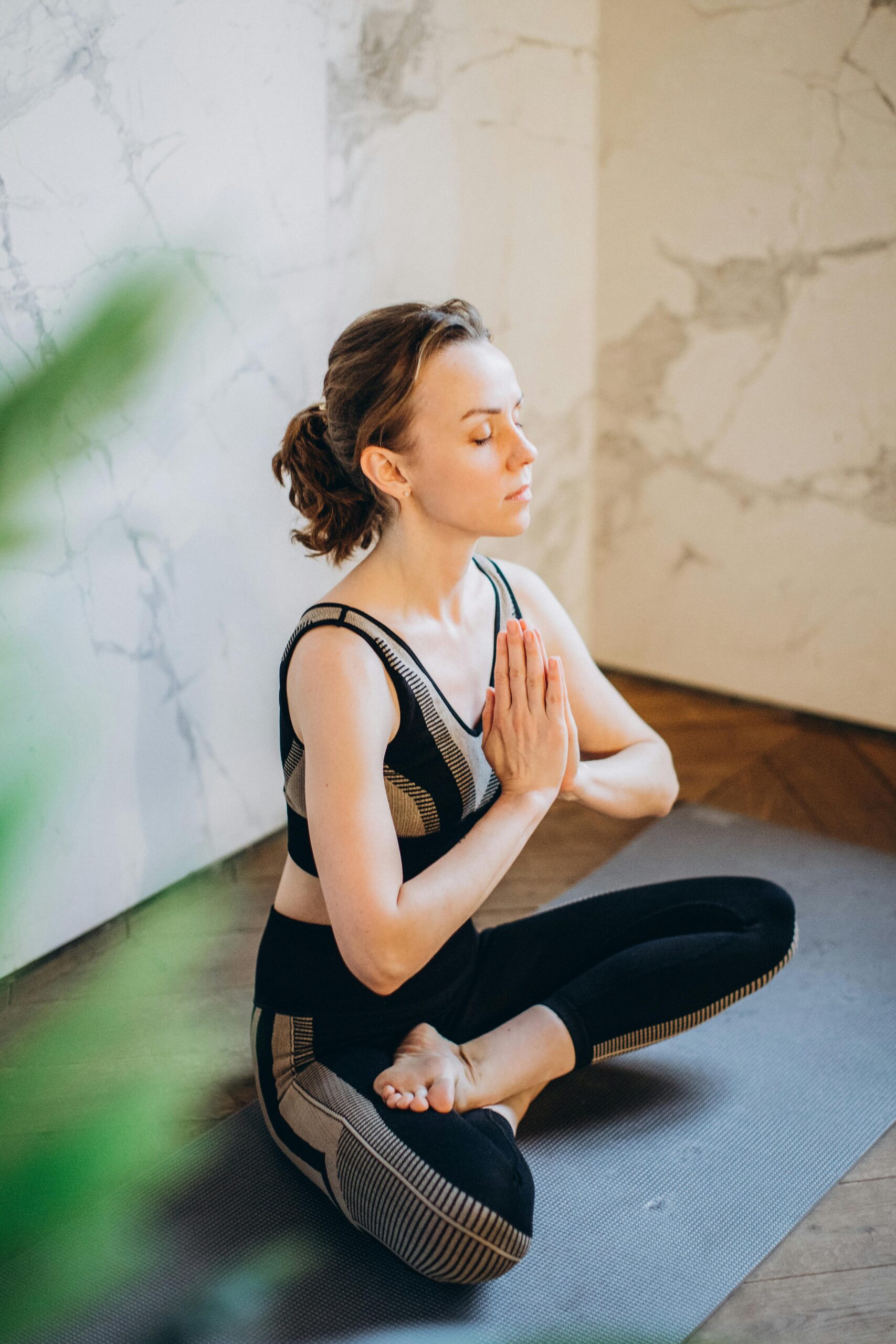
Exploring Inner Peace: The Role of Meditation in Yoga Philosophy
In today’s fast-paced world, the quest for inner peace has become more prominent than ever. Many of us are turning to ancient practices, seeking solace and calm in the midst of chaos. Among these practices, yoga and its component of meditation have gained global popularity, not just as a form of physical exercise but as a comprehensive philosophy that nurtures the mind, body, and soul. In this exploration of inner peace, understanding the role of meditation in yoga philosophy is pivotal. So, how exactly does meditation contribute to this timeless spiritual discipline?
Introduction to Yoga and Meditation
Yoga, a practice that originated in ancient India, has evolved over thousands of years, offering a rich tapestry of physical postures (asanas), breathing techniques (pranayama), and meditation practices. At its core, yoga aims at harmonizing the body with the mind and breath, through the means of various asanas and breathing techniques, preparing the body and mind for deeper spiritual practices such as meditation.
Meditation, or ‘Dhyana’ in Sanskrit, is a critical element of yoga. It is considered the heart of yoga philosophy as it cultivates the mental space where one can experience a profound peace and rejuvenation. Exploring inner peace through meditation involves training the mind to focus, achieving a state of conscious tranquility.
Diving Deeper: Meditation in Yoga Philosophy
The foundational texts of yoga, such as Patanjali’s Yoga Sutras, emphasize meditation as a key part of achieving ‘Samadhi’, which is often described as the ultimate state of divine bliss. According to Patanjali, meditation helps to dissolve physical boundaries, offering a glimpse of the infinite peace that lies within each individual.
Yoga philosophy suggests that the mind is generally restless and its fluctuations cause disturbances. Meditation helps in stabilizing these fluctuations, fostering a state of inner peace that permeates all aspects of life. Through regular meditation practice, individuals can enhance their ability to concentrate, reduce stress, and cultivate an overall sense of well-being.
Benefits of Meditation in Yoga
-
Reduces Stress and Anxiety: Regular meditation influences the body’s stress response by reducing cortisol production, hence alleviating stress, anxiety, and associated symptoms like insomnia, depression, and high blood pressure.
-
Enhances Concentration: Meditation involves focusing the mind on a particular object, thought, or activity, which enhances attention and concentration.
-
Promotes Emotional Health: Meditation can lead to an improved self-image and more positive outlook on life, which are foundational for emotional health.
-
Increases Self-Awareness: It encourages a greater understanding of oneself and how one relates to those around them.
-
Encourages Mindful Living: The mindfulness achieved during meditation can extend into daily life, encouraging a more attentive, enjoyable approach to everyday activities.
As you incorporate meditation into your daily routine, it is essential to understand that consistency is key. Like any skill, meditation requires practice. Over time, the act of meditating can become a refuge, not just a daily ritual.
How to Incorporate Meditation into Your Yoga Practice
For those new to yoga or those looking to deepen their practice, incorporating meditation might seem daunting. However, beginning is simpler than it seems:
- Designate a Quiet Space: Create a calm and comfortable area in your home dedicated to your practice.
- Start Small: Begin with short periods of meditation, even just five minutes a day, and gradually increase the duration.
- Use Guided Meditations: These can be particularly helpful for beginners to maintain focus.
- Be Consistent: Try to meditate at the same time every day to establish a ritual.
- Combine with Asanas: Engage in a few gentle yoga poses before sitting down to meditate to help the body feel more relaxed.
FAQs
Q: How long should I meditate to see benefits?
A: Benefits can be seen with even short periods of meditation, though most traditions suggest 20 minutes, twice daily, as a good amount to aim for.
Q: Can meditation replace physical yoga practices?
A: Meditation complements the physical practices of yoga which prepare the body for seated meditation. Both practices work best in tandem.
Q: Is meditation in yoga different from other forms of meditation?
A: Meditation in yoga is part of a holistic practice that includes body, breath, and mind. While there are many forms of meditation, yoga meditation is specifically designed to align these elements.
Conclusion
Exploring inner peace through the role of meditation in yoga philosophy offers profound benefits, not only for our mental health but for our overall quality of life. As we navigate the complexities of modern living, making room for meditation can provide us with the necessary tools to maintain peace, clarity, and balance. Whether you are a seasoned yogi or a curious newcomer, integrating meditation into your life can lead to discoveries about the potential of the human spirit and the peace that lies within each of us.
Embarking on this journey of self-discovery through meditation in yoga philosophy not only enriches our own lives but also elevates our interactions with the world around us. Dive deeper into your yoga practice and uncover the expansive peace that awaits within.