
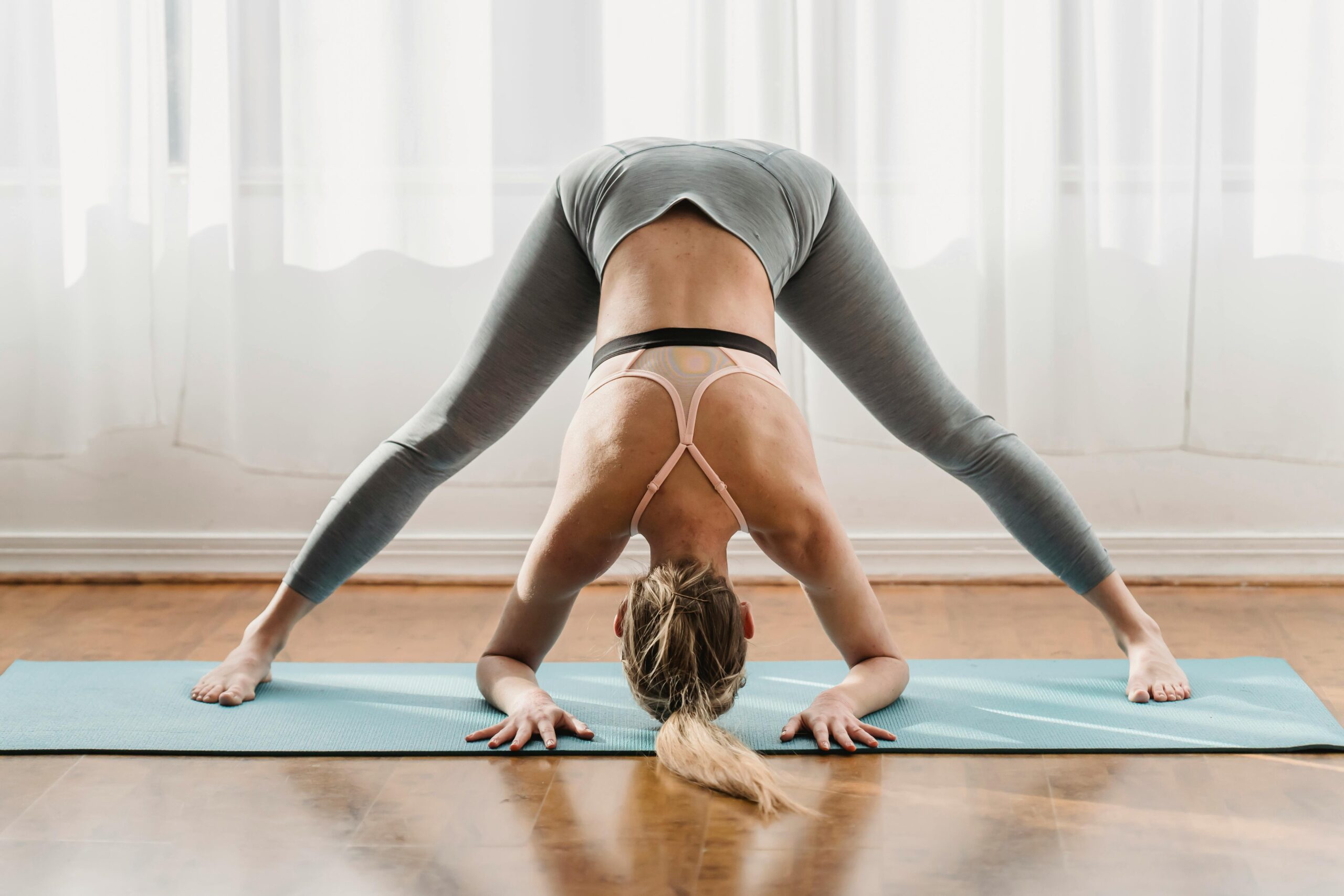
Common Yoga Mistakes Beginners Should Avoid
Starting a yoga practice can be a transformative experience, promising not just improved flexibility but also enhanced mental clarity and stress reduction. Yet, like any new skill, the journey to mastering yoga includes a learning curve. For beginners, particular pitfalls can hinder progress and even lead to injuries. In this detailed article, we explore common yoga mistakes beginners should avoid ensuring a safe and effective practice.
Introduction to Yoga for Beginners
Yoga, an ancient practice with roots stretching back thousands of years, has gained massive popularity worldwide due to its comprehensive health benefits. However, beginners often enter their yoga journey with little guidance, which can lead to common missteps. Understanding these mistakes early on will help you enjoy a more fruitful yoga experience.
1. Skipping the Warm-up
One of the common yoga mistakes beginners should avoid is jumping into complex poses without adequate preparation. Starting your session with a warm-up is crucial as it prepares your body for the physical activity ahead. Warm-up exercises increase blood circulation, enhance flexibility, and decrease the risk of injuries. Begin with gentle stretching or basic poses like Cat-Cow or Mountain Pose to get your body moving.
2. Comparing Yourself to Others
Yoga is a personal journey, and its effectiveness is best measured by self-awareness and internal improvements. Beginners often look around the room and compare their poses with others, which can lead to discouragement or pushing beyond their limits. Focus on your own progress and remember that every yogi was once a beginner. Yoga is not a competition; it’s a path to personal wellness.
3. Neglecting Breath Control
Breathing is the essence of yoga. It aids in relaxation, maintains rhythmic movements, and improves concentration. A common mistake is holding your breath during poses or breathing too shallowly. Practice deep, controlled breathing through the nose to maximize the benefits of each pose and maintain a meditative state.
4. Poor Form and Alignment
While performing yoga poses, maintaining the right form and alignment is vital to avoid strain and injuries. Beginners often imitate poses without understanding the subtleties of correct alignment. Always listen to your body and use modifications if necessary. It’s highly beneficial to practice under the guidance of a certified yoga instructor who can correct your poses and teach proper alignment techniques.
5. Wearing Inappropriate Clothes
Comfort and functionality are key when it comes to yoga attire. Common yoga mistakes beginners should avoid include wearing clothes that are too loose or too tight, which can interfere with movement or expose the body during certain poses. Opt for stretchable, fitted clothing that allows for unrestricted movement and is made of breathable materials.
6. Using the Wrong Yoga Mat
The yoga mat is your foundation, so choosing the right one contributes significantly to your practice. A mat that’s too thin might hurt your knees during floor poses, while a slippery mat could lead to unstable footing and injuries. Look for a mat with sufficient cushioning and grip, tailored to the style of yoga you practice.
7. Being Too Aggressive with Stretching
Flexibility varies greatly from person to person, and overstretching can lead to muscle strains and other injuries. Beginners should avoid pushing their bodies into uncomfortable or painful positions. Understand that flexibility improves over time, and it’s essential to progress at a pace that feels comfortable to you.
8. Skipping Relaxation Poses
Yoga isn’t just about active, strenuous poses. Relaxation and restorative poses like Savasana (Corpse Pose) play a crucial role in concluding a yoga session. They allow your body to assimilate the benefits of the practice, calm the nervous system, and restore energy. Skipping these can diminish the overall effectiveness of your yoga practice.
FAQs about Common Yoga Mistakes Beginners Should Avoid
Q: How often should I practice yoga as a beginner?
A: For beginners, practicing 2-3 times per week is a good start. This frequency allows you to progressively build strength and flexibility without overwhelming your body.
Q: Can I do yoga at home without a teacher?
A: Yes, with countless online resources and apps available, you can start practicing yoga at home. However, attending at least some classes with a qualified instructor can be beneficial to ensure you are performing poses correctly and safely.
Q: What should I do if I feel pain during yoga?
A: If you experience pain, you should immediately stop and adjust the pose. Consult with your instructor for modifications to ensure you are practicing safely.
Conclusion
Yoga offers numerous benefits, but as with any physical activity, it comes with risks when not practiced correctly. Common yoga mistakes beginners should avoid range from inadequate warm-ups to ignoring proper alignment and forgetting to breathe correctly. By being mindful of these common pitfalls, you can ensure a more beneficial and safer yoga practice. Remember, yoga is a personal journey. Take your time, enjoy the process, and respect your body’s limits as you explore the various aspects of yoga.