
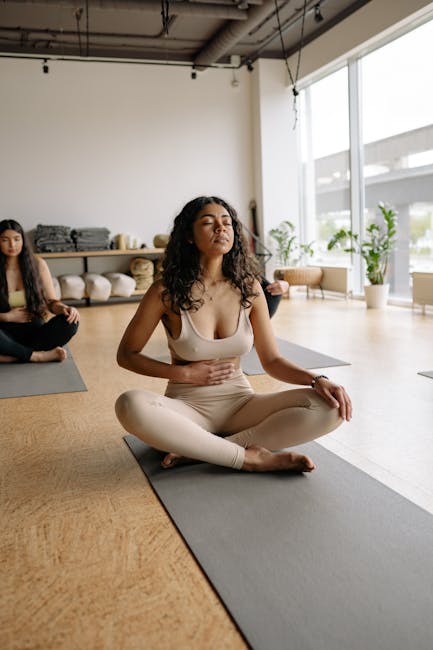
Exploring Mindfulness Yoga for Kids: Benefits and Techniques for a Calmer Generation
In a world that’s faster and more connected than ever, today’s children are bombarded with stimuli, making it difficult for them to focus and stay calm. This is where Exploring Mindfulness Yoga for Kids: Benefits and Techniques for a Calmer Generation becomes a vital topic worth delving into. As parents, educators, and caregivers seek out effective ways to foster a serene environment, mindfulness yoga emerges as an excellent tool to help manage stress and nurture a balanced emotional health in children.
Introduction to Mindfulness Yoga for Kids
Mindfulness yoga is a holistic approach that combines traditional yoga practices with mindfulness techniques. This fusion aims not only at enhancing physical flexibility and strength but also at improving mental focus and emotional resilience. For children, this can mean better concentration at school, improved interaction with peers, and a robust mechanism to cope with stress and anxiety.
Why Mindfulness Yoga for Kids?
The practice offers a double-edged sword combating both mental clutter and physical lethargy. In an era where screen time often takes precedence over green time, mindfulness yoga is a breath of fresh air, encouraging physical activity while simultaneously settling the mind.
Benefits of Mindfulness Yoga for Kids
-
Enhanced Concentration and Focus: Regular practice helps children filter distractions and improve their attention spans. This can translate into better academic performance and a superior ability to resolve conflicts.
-
Emotional Regulation: Mindfulness yoga teaches kids to stay in tune with their emotions. Techniques involved help them understand and control their feelings, reducing incidents of tantrums and emotional outbursts.
-
Stress Reduction: Yoga’s breathing exercises and meditative practices are great stress busters that teach children how to relax and find calmness in stressful situations.
-
Increased Self-awareness and Confidence: As children learn to control their bodies through various poses, they develop a better sense of body awareness and self-confidence.
-
Cultivation of Patience and Perseverance: Holding yoga poses over time and staying engaged during mindfulness practices nurture patience and resilience.
Key Techniques Used in Mindfulness Yoga for Kids
Exploring Mindfulness Yoga isn’t just about replicating adult poses. It’s about making the entire process enjoyable and inclusive. Here are some techniques and practices specifically tailored for children:
-
Fun with Animal Poses: Kids love animals, so starting with poses that mimic animals (like the Cobra, Cat, Cow, or Lion) can keep them engaged and excited about their yoga practice.
-
Storytelling Through Sequences: Create a yoga adventure that tells a story. As the narrative progresses, include appropriate poses that help bring the story to life.
-
Breathing Games and Exercises: Simple breathing techniques like balloon breath (where kids imagine inflating and deflating a balloon) make the abstract concept of breath work tangible and understandable.
-
Mindful Coloring and Drawing: Integrating creative arts alongside traditional yoga practices helps keep the interest level high and encourages mindfulness in a more familiar format.
-
Yoga Songs and Music: Incorporating music and simple yoga chants can enhance the auditory experience of yoga, making it more immersive and soothing.
FAQs about Exploring Mindfulness Yoga for Kids
Q: At what age can children start practicing mindfulness yoga?
A: Children as young as two years old can begin mindfulness yoga in a very simplified form. As they grow, the complexity of poses and concentration required can increase.
Q: How often should kids practice mindfulness yoga?
A: Even 10-15 minutes daily can yield noticeable benefits. Consistency matters more than duration.
Q: Are there special yoga instructors for kids?
A: Yes, there are yoga instructors specially trained to handle young kids. They use child-friendly techniques and know how to keep the little ones engaged.
Q: Can mindfulness yoga help with specific behavioral issues?
A: Absolutely! It is particularly beneficial for kids dealing with ADHD, anxiety, and other stress-related conditions, helping them to regulate their emotions and behavior systematically.
Conclusion
Exploring Mindfulness Yoga for Kids: Benefits and Techniques for a Calmer Generation opens up a unique avenue for child development—the serene path of integrating mind, body, and spirit. Through playful poses, engaging stories, and calming breath work, mindfulness yoga offers a toolkit to help the next generation face the complexities of their world with grace and composure.
By making mindfulness yoga a part of children’s routine, we are not just easing their present but also equipping them with lifelong skills to lead healthier and more conscious lives. Don’t hesitate to embark on this gentle, empowering journey with your children; the benefits unfold with each practice, setting the foundation for a calmer, more focused generation.