
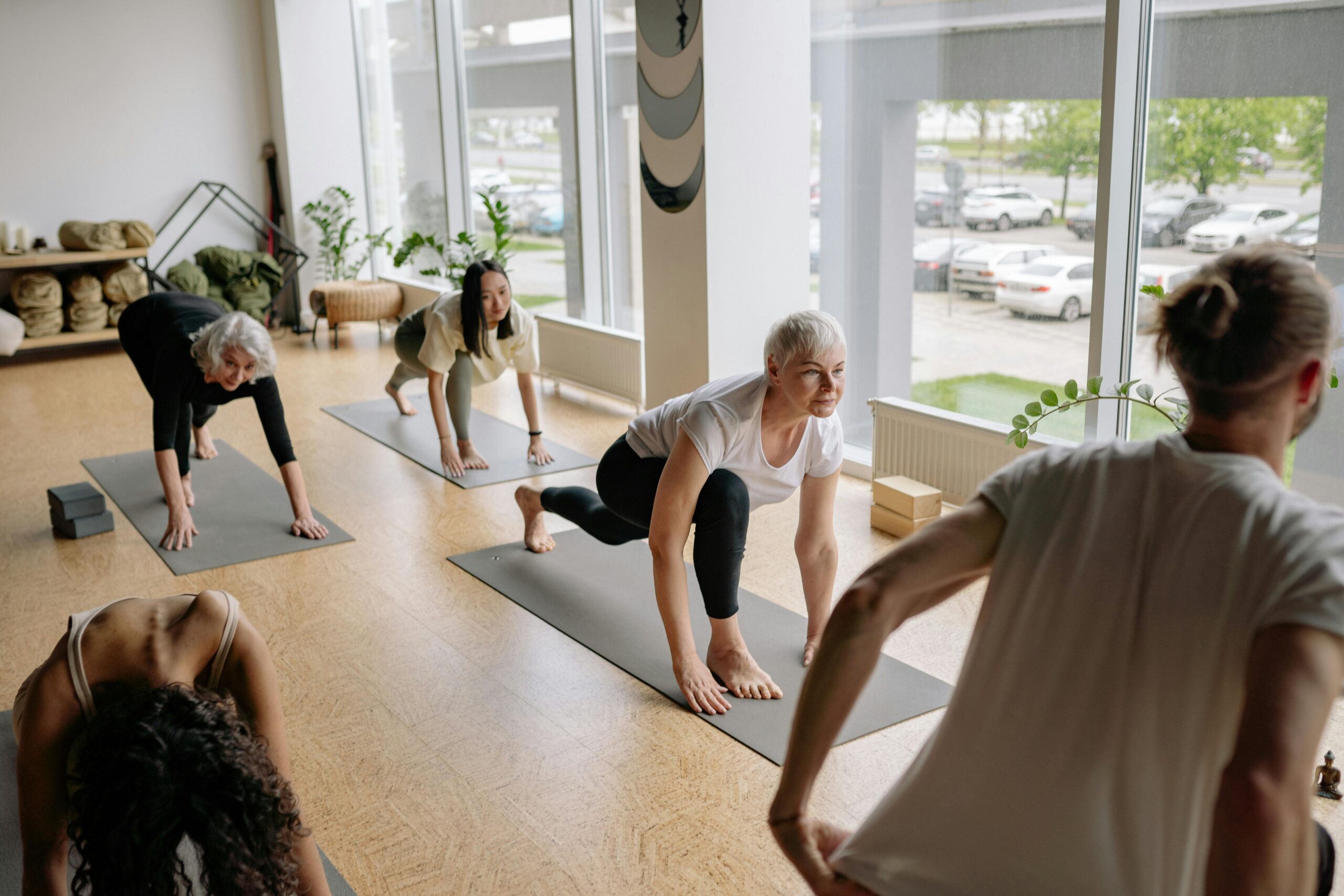
Mastering Beginner Yoga Sequences: Step-by-Step Instructions for Improved Flexibility and Wellness
Yoga, an ancient art that balances body, mind, and spirit, has been a wellness cornerstone for centuries. Embracing yoga can lead to significant improvements in flexibility, strength, and overall mental health. If you’re at the beginning of your yoga journey, mastering beginner yoga sequences is an invaluable step toward enhanced well-being. In this detailed guide, we will walk you through some fundamental sequences and offer insights on how you can integrate these into your daily routine to reap maximum benefits.
Introduction to Beginner Yoga Sequences
Yoga is more than just stretching. It involves breathing techniques, meditation, and physical postures designed to enhance the practitioner’s flexibility and mental clarity. For beginners, the wide variety of yoga styles and poses might seem daunting at first. However, some specific sequences are specially designed for those just starting their practice, aiming to introduce the fundamental aspects of yoga gently and safely.
Mastering beginner yoga sequences not only promotes improved flexibility but also sets the foundation for a sustainable, long-term yoga practice. Let’s dive into some basic yet effective yoga routines that you can start today.
Step-by-Step Beginner Yoga Sequences
1. The Sun Salutation (Surya Namaskar)
- Purpose: Warms up the body, focuses the mind, and aligns breath with movement.
- Instructions:
- Start in a standing position at the top of your mat in Mountain Pose (Tadasana). Breathe deeply.
- Inhale, lifting your arms overhead. Exhale, folding forward into a Forward Bend (Uttanasana).
- Inhale, lift your torso halfway for a Half Lift (Ardha Uttanasana). Exhale, step back into Plank Pose and hold your breath for a moment.
- Exhale, lower yourself into a Low Plank (Chaturanga Dandasana). Inhale, push through your hands and lift your chest into Upward-Facing Dog (Urdhva Mukha Svanasana).
- Exhale, lift your hips and push back into Downward-Facing Dog (Adho Mukha Svanasana), holding for three breaths.
- Inhale, step or hop forward into a Half Lift, and exhale back into a Forward Bend.
- Inhale, rise all the way up, hands overhead, and exhale, returning to Mountain Pose.
2. The Warrior Pose Series
- Purpose: Builds strength, focus, and stability.
- Instructions:
- Start in Mountain Pose. Step or lightly jump your feet about 4 to 5 feet apart.
- Raise your arms parallel to the floor and reach them actively out to the sides, shoulder blades wide, palms down.
- Turn your right foot slightly to the right and your left foot out to the left 90 degrees. Align the left heel with the right heel.
- Exhale and bend your left knee over the left ankle, so that the shin is perpendicular to the floor. If possible, bring the left thigh parallel to the floor.
- Stretch your arms away from the space between your shoulder blades, parallel to the floor.
- Turn your head to the left and look out over your fingers for Warrior II (Virabhadrasana II).
- To exit, inhale, straighten your left knee. Turn the feet forward and lower your arms. Repeat on the other side.
3. Seated Forward Bend (Paschimottanasana)
- Purpose: Calms the brain, helps relieve stress, and stretches the spine.
- Instructions:
- Sit on the floor with your buttocks supported on a folded blanket and legs extended in front.
- Inhale, raising your arms over your head. Exhale, bending forward from the hip joints, chin moving toward the toes.
- Stay in this position for 1-3 minutes and focus on deep breathing.
- Inhale, lifting your torso and extending your arms back over your head before releasing them down by your sides.
Frequently Asked Questions
Q: How often should I practice these sequences?
A: For beginners, it’s recommended to practice three times a week, allowing for a day of rest between sessions. As you become more comfortable, you can increase the frequency.
Q: Can yoga help with weight loss?
A: Yes, regular yoga practice can help burn calories, build muscle tone, and improve your overall metabolism. Combining yoga with a balanced diet can lead to weight loss and improved muscle tone.
Q: What should I wear for yoga?
A: Wear comfortable, breathable clothes that allow you to move freely. Most yogis opt for leggings or shorts and fitted tops so the clothing doesn’t get in the way of postures.
Conclusion
Mastering beginner yoga sequences is a significant first step toward a healthier and more flexible body. By starting with these basic routines, you can build a strong foundation that will support the advancement of your practice. Remember, the journey of yoga is about progression, not perfection. Embrace each moment on your mat with patience and mindfulness, and enjoy the transformative journey of yoga wellness.
With consistent practice, these beginner sequences will help you develop not just better body flexibility, but also mental clarity and emotional resilience. Start your yoga journey today, and unlock a revitalized, healthier version of yourself.