
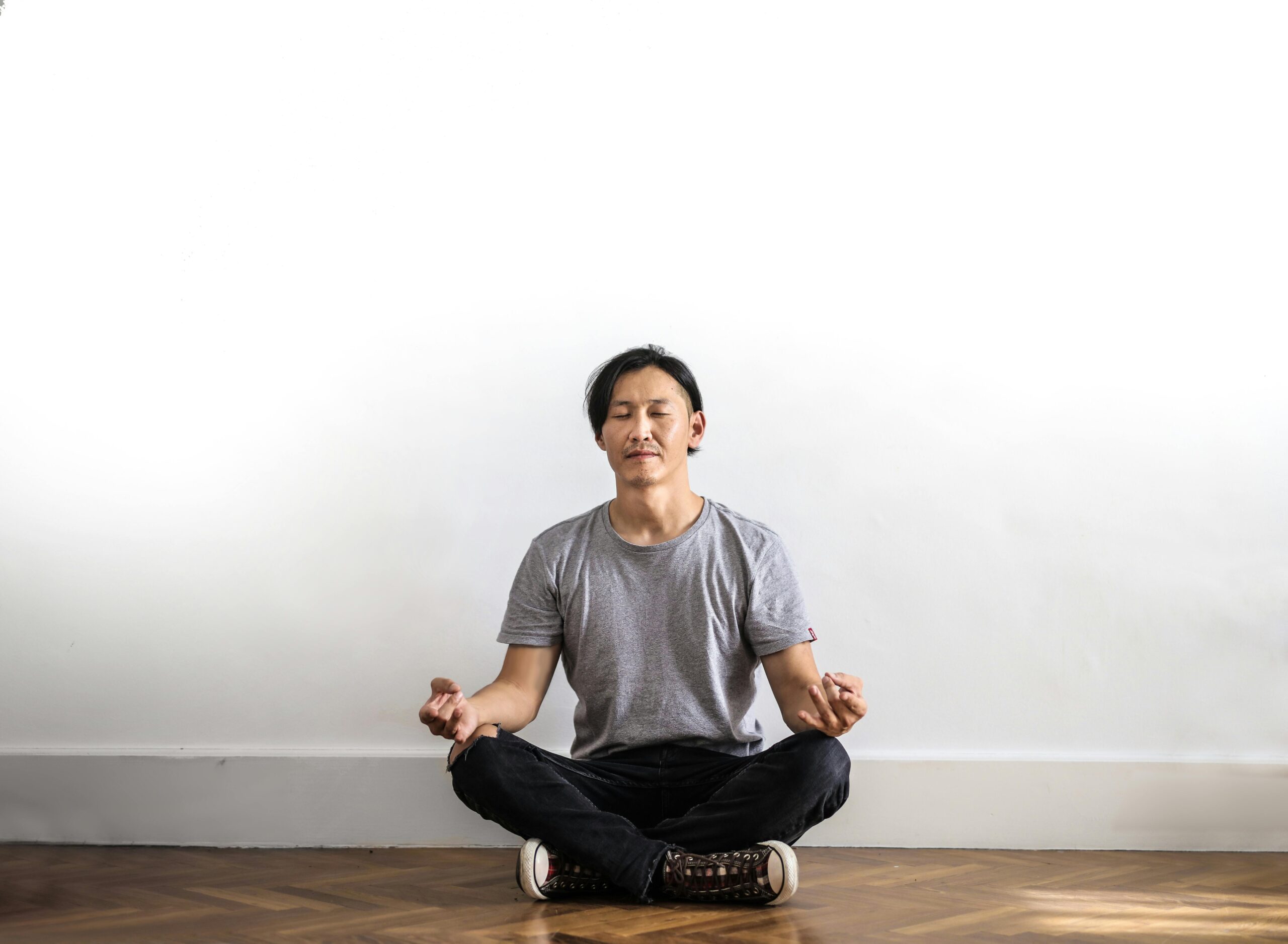
Exploring Yoga Mindfulness for Mental Health: Techniques and Benefits
In today’s fast-paced world, mental health has taken a front seat in the conversation about holistic well-being. With stress, anxiety, and depression on the rise, many are turning to age-old practices like yoga, not just as a form of physical exercise but as a comprehensive method of mental and emotional healing. In this article, we delve into “Exploring Yoga Mindfulness for Mental Health: Techniques and Benefits,” a topic that is garnering significant attention for its profound impact on mental wellness.
Introduction to Yoga Mindfulness for Mental Health
Yoga mindfulness is an approach that combines traditional yoga with the principles of mindfulness, focusing on mental relaxation and self-awareness. While yoga typically emphasizes physical postures (asanas), mindfulness directs attention inward to thoughts, feelings, and sensations. The integration of these practices encourages a harmonious balance between mind and body, making it an ideal choice for those seeking relief from mental stress.
Techniques of Yoga Mindfulness
-
Breath Awareness (Pranayama):
Breathwork is a fundamental element of yoga that enhances mindfulness. Techniques such as Ujjayi (Ocean Breath) or Anulom Vilom (Alternate Nostril Breathing) focus on controlling breath to stabilize the mind, leading to increased concentration and peace. -
Mindful Asanas:
Slow, deliberate movements in yoga poses like Tadasana (Mountain Pose) or Sukhasana (Easy Seat) encourage a mindfulness approach. By concentrating on each muscle movement and maintaining a pose, practitioners can shift their attention away from chaotic thoughts, finding tranquility. -
Meditation and Visualization:
Integrating meditation within a yoga practice strengthens mindfulness. Techniques may involve guided imagery, where a peaceful mental image is formed, or focusing meditation, where attention is centered on a single point or thought. -
Yoga Nidra:
Also known as yogic sleep, this powerful meditation technique induces a state of deep relaxation while maintaining consciousness. It effectively reduces stress and cultivates a profound sense of mindfulness.
Benefits of Yoga Mindfulness for Mental Health
The synergy of yoga and mindfulness offers numerous mental health benefits:
-
Stress Reduction:
Regularly engaging in yoga mindfulness has been proven to lower cortisol levels, the hormone typically associated with stress. This reduction in stress can alleviate symptoms of anxiety and depression. -
Enhanced Emotional Regulation:
By promoting self-awareness, yoga mindfulness helps individuals recognize and control their emotional responses more effectively, leading to improved coping mechanisms and emotional stability. -
Increases Resilience:
Building resilience through consistent practice of yoga mindfulness allows people to handle daily stressors more effectively, reducing the overall impact of stress on their lives. -
Improves Concentration and Focus:
The meditative aspects of yoga help improve the mind’s ability to concentrate and focus, which is beneficial for both personal and professional life. -
Promotes Sleep Quality:
Yoga mindfulness techniques, particularly Yoga Nidra, have been shown to improve sleep patterns, thus enhancing overall mental health through better rest.
FAQs about Yoga Mindfulness for Mental Health
Q1: How often should I practice yoga mindfulness to see benefits for mental health?
A1: While even a single session can contribute to better mental clarity, regular practice (at least 2-3 times per week) is ideal for long-term mental health benefits.
Q2: Can yoga mindfulness replace conventional mental health treatments?
A2: While yoga mindfulness is an effective complement to traditional treatments, it should not replace them entirely. Always consult healthcare professionals for comprehensive advice.
Q2: Are there any risks associated with yoga mindfulness?
A3: Yoga and mindfulness are generally considered safe. However, those with specific physical conditions should consult a physician or a qualified yoga instructor to adjust poses as necessary.
Q4: Is yoga mindfulness suitable for beginners?
A4: Absolutely! One of the beauties of yoga mindfulness is its accessibility. Start with beginner-friendly classes and communicate any concerns with your instructor.
Conclusion: Embracing the Journey with Yoga Mindfulness
The journey of “Exploring Yoga Mindfulness for Mental Health: Techniques and Benefits” offers a tranquil oasis in the incessant hustle of modern life. As more individuals turn towards these holistic practices, the curtain continues to rise on the profound effects of combining physical postures with mindful meditation. Whether you’re a novice stepping onto the mat for the first time or a seasoned yogi deepening your practice, yoga mindfulness can be a transformative tool in your mental health toolkit. Embrace this journey with an open mind, and watch as the myriad benefits unfold, enhancing not only your mental health but your overall quality of life.