
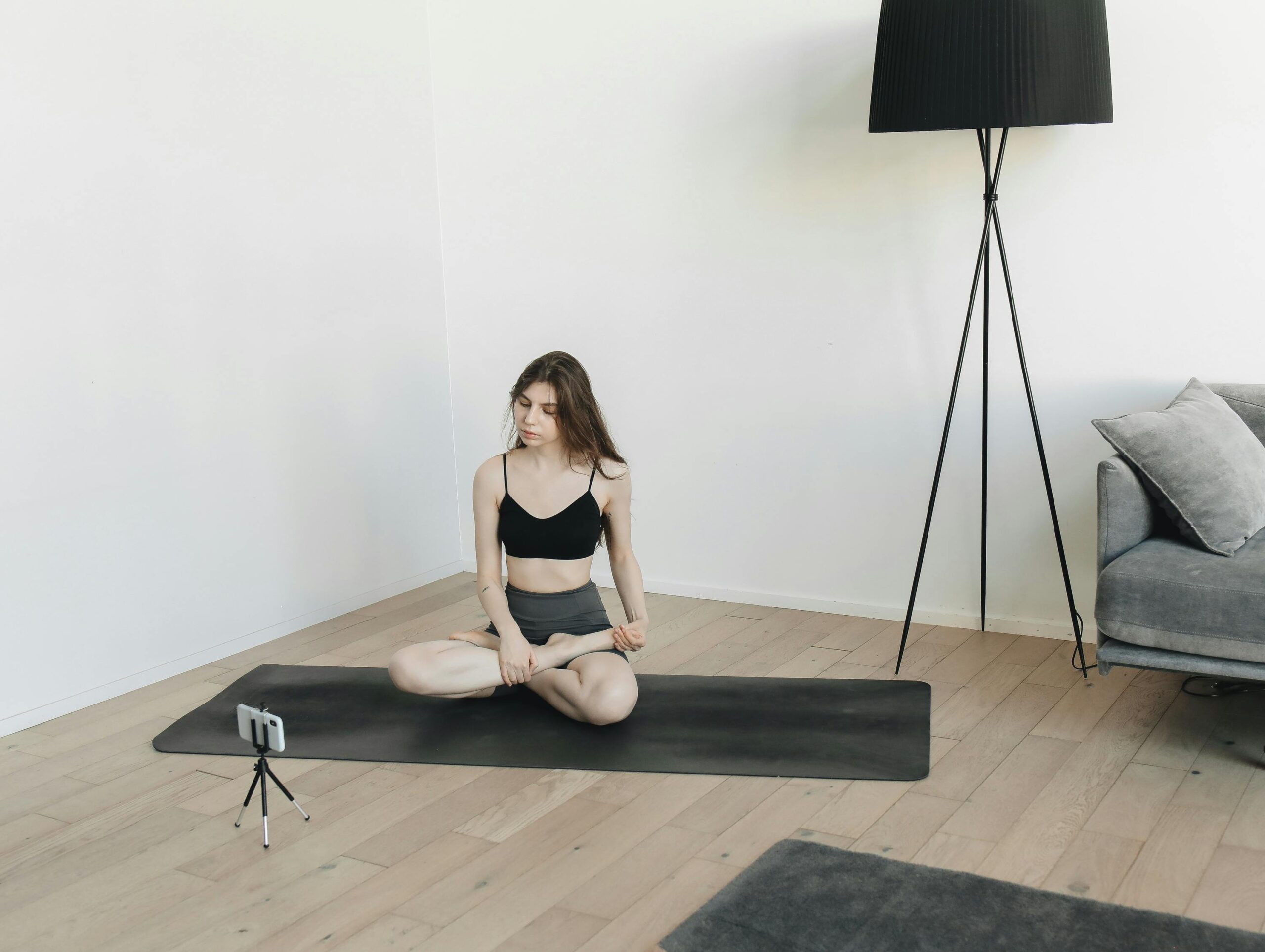
Beginner Yoga Stretches for Flexibility: Enhance Your Range of Motion with These Easy Poses
Yoga is not just about achieving a serene mind or a stress-free life; it’s also about enhancing your body’s flexibility and expanding your range of motion. Whether you’re a yoga novice or just someone looking to ease into a more flexible lifestyle, beginner yoga stretches for flexibility are your first step toward achieving those goals. Here’s a guide to some easy poses that can help you enhance your flexibility, improve your daily function, and nurture your overall well-being.
Introduction to Yoga and Flexibility
Flexibility is an essential component of overall fitness. It helps in improving posture, reducing risks of injuries, and maintaining muscle health. Yoga, with its variety of stretches and poses, supports these enhancements by elongating the muscles and increasing the range of motion in the joints.
For beginners, diving into the world of yoga might seem intimidating, but it doesn’t have to be. This post will outline easy beginner yoga stretches for flexibility, helping you to gently build your range of motion. These stretches are designed to be accessible for all, regardless of your current fitness level or body type.
Easy Poses for Enhanced Flexibility
Let’s walk through some beginner-friendly yoga stretches for flexibility that you can start doing today:
1. Cat-Cow Stretch (Marjaryasana and Bitilasana)
This gentle flow between two poses helps to warm up the spine and relieve back tension.
- How to do it: Start on your hands and knees. As you inhale, arch your back, tilt your head upward, and let your belly drop (Cow). Exhale, round your spine towards the ceiling, tuck your chin to your chest, and draw your belly in (Cat). Repeat this flow for at least 5 rounds.
2. Standing Forward Bend (Uttanasana)
Ideal for loosening up the back, hamstrings, and calves, this pose also calms the nervous system.
- How to do it: Stand straight with feet slightly apart. Exhale and bend forward from the hip joints, not from the waist. If possible, place your palms or fingertips on the floor beside your feet, or just grab your opposite elbows and hang gently.
3. Cobra Pose (Bhujangasana)
Cobra Pose is excellent for strengthening the spine and buttocks, as well as opening the chest and shoulders.
- How to do it: Lie prone on the floor. Place your hands under your shoulders and hug your elbows back. Press into the floor to lift your chest off the floor while keeping your lower ribs on the floor.
4. Butterfly Pose (Baddha Konasana)
This pose is perfect for opening the hips and thighs.
- How to do it: Sit with a straight spine. Bend your knees and bring your feet towards you, letting the knees drop to the sides. Hold your feet together and gently use your elbows to press your knees towards the floor. Keep your spine straight and don’t force the knees.
5. Seated Forward Bend (Paschimottanasana)
This stretch works intensely on your hamstrings and is also calmative for your mind and nervous system.
- How to do it: Sit up with your buttocks on a folded blanket, legs extended in front of you. Inhale and extend your arms over your head. Exhale, and bend forward from the hip joints, reaching for your feet or legs.
FAQs on Beginner Yoga Stretches for Flexibility
Q1: How often should I perform these yoga stretches?
- Aim for at least 3 times a week to start with, but daily stretching can be even more beneficial, especially if flexibility is a significant challenge.
Q2: When is the best time to do these stretches?
- Any time that fits your schedule is good, but many find it helpful to stretch in the morning to boost their energy and help set a positive tone for the day.
Q3: Do I need any special equipment?
- A yoga mat is helpful for comfort and stability, but beyond that, no special equipment is necessary. Optional items can include yoga blocks or a blanket for added support in certain poses.
Q4: How long should I hold each pose?
- Start by holding each pose for about 20-30 seconds, gradually increasing the time as your flexibility improves.
Conclusion
Starting with beginner yoga stretches for flexibility is an excellent way to enhance your physical well-being while exploring the nurturing practice of yoga. Each pose helps you to increase your awareness of your body, its capabilities, and its current limits, which can then be gradually expanded with regular practice. Remember, the journey towards increased flexibility is as important as the goal itself. Listen to your body, don’t rush the process, and keep enjoying your practice!
As you incorporate these beginner yoga stretches for flexibility into your routine, you’ll likely notice improvements not just in your range of motion, but also in your overall mental and physical wellness. Yoga is a holistic practice after all, and its benefits extend well beyond flexibility. Happy stretching!
